
Physiotherapy

Physiotherapy

Physiotherapy

Physiotherapy plays a crucial role in managing arthritis by reducing pain, improving joint mobility, and strengthening the muscles that support affected joints. A licensed physiotherapist begins with a thorough assessment of your range of motion, muscle strength, posture, and gait patterns. Based on this, they design a personalized exercise program that may include gentle range‑of‑motion exercises to maintain flexibility, isometric and isotonic strengthening exercises to build muscle support around joints, and low‑impact aerobic activities such as stationary cycling or walking to enhance overall endurance without overloading the joints.

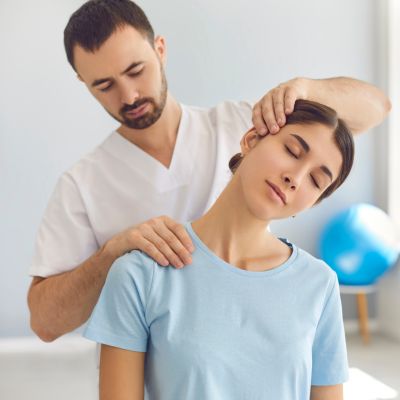
In addition to exercises, physiotherapists use modalities like heat therapy (hot packs) to relax stiff muscles and increase blood flow, ultrasound to promote tissue healing, and transcutaneous electrical nerve stimulation (TENS) to interrupt pain signals. Manual therapy techniques—such as joint mobilization and soft‑tissue massage—help restore normal joint mechanics and reduce stiffness. They also provide guidance on posture, ergonomic adjustments, and use of assistive devices (like canes or braces) to protect joints during daily activities.

What is physiotherapy treatment, and how does it work?

Physiotherapy treatment, also known as physical therapy, is a non-invasive medical approach that helps individuals restore, maintain, and improve physical function, movement, and overall well-being. It is commonly used for recovery after injuries, surgeries, or to manage chronic conditions like arthritis, back pain, or neurological disorders.


How Does It Work?

Physiotherapy works through targeted exercises, manual techniques, and specialized therapies, all tailored to each patient’s condition and goals:

  1. Assessment and Diagnosis:
    A physiotherapist evaluates your posture, movement, strength, flexibility, and pain levels to identify the root cause of the problem.

  2. Treatment Planning:
    Based on the assessment, a personalized treatment plan is created to restore function and relieve pain.

  3. Exercise Therapy:
    Guided stretches and strengthening exercises help improve mobility, balance, and muscular support.

  4. Manual Therapy:
    Hands-on techniques such as massage, joint mobilization, or manipulation help reduce stiffness and improve circulation.

  5. Electrotherapy and Modalities:
    Equipment like ultrasound, TENS, heat/cold therapy, and laser therapy may be used to accelerate healing and control pain.

  6. Education and Prevention:
    Patients are educated about body mechanics, posture correction, and lifestyle adjustments to prevent recurrence.


Physiotherapy empowers patients to recover naturally, avoid surgery, and lead active, pain-free lives through movement-based healing.

✅ When is Physiotherapy Needed?

Physiotherapy is recommended in many situations, including:

  1. After an Injury:
    For muscle strains, ligament tears, fractures, and joint injuries (especially in sports or accidents).

  2. Post-Surgery Rehabilitation:
    After orthopedic surgeries like knee replacement, ACL reconstruction, or spinal surgery to restore movement and strength.

  3. Chronic Pain Conditions:
    For long-term conditions like arthritis, back pain, neck pain, and sciatica.

  4. Neurological Disorders:
    In cases of stroke, paralysis, Parkinson’s disease, or nerve damage affecting mobility.

  5. Mobility or Balance Issues:
    For elderly patients or those with joint stiffness, poor coordination, or risk of falling.

  6. Respiratory and Cardiac Rehab:
    For improving lung function or recovery after heart procedures.

Why is Physiotherapy Important?

  1. Restores Mobility and Function:
    It helps regain flexibility, balance, and movement in the affected body part.

  2. Reduces Pain Without Medicines:
    Through physical techniques and exercises, it offers drug-free pain relief.

  3. Prevents Surgery or Re-Injury:
    Strengthens the body, improves posture, and corrects movement patterns.

  4. Enhances Recovery Speed:
    Supports faster healing after injuries or surgeries.

  5. Improves Quality of Life:
    Helps individuals stay independent, active, and pain-free in daily life.

Scroll to Top