Knee Arthroscopy
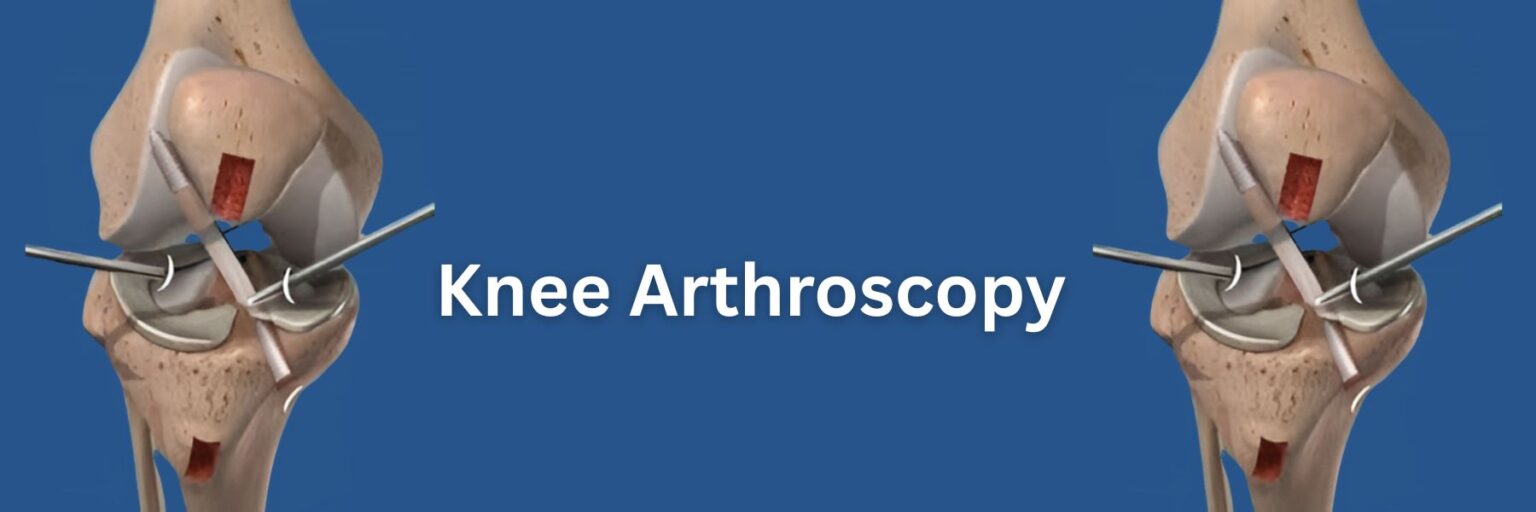
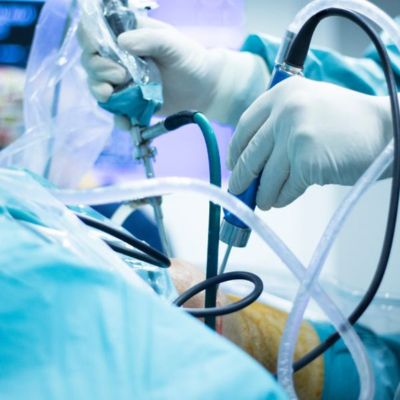
Knee arthroscopy is a minimally invasive surgical technique that facilitates a quicker return to physical activity, less pain following surgery, and a quicker postoperative recovery. We have all the advanced arthroscopic instruments and techniques with cutting-edge technology. Our expert doctors have performed thousands of knee arthroscopic procedures over the last 14 years with the best results and expertise. Some of these reasons add definite value to the center and surgeons. We are the first choice for our patients as they get the triple advantage of early mobilization, the best results, and low cost benefit.
Knee arthroscopy replacement, also known as knee arthroplasty, is a surgical procedure to replace a damaged or diseased knee joint with an artificial implant. It aims to relieve pain and improve function in individuals with severe knee arthritis or injury.
Candidates for knee arthroscopy replacement typically have significant knee pain, stiffness, and mobility issues that haven't responded well to conservative treatments like medication or physical therapy. Generally, candidates are individuals with advanced osteoarthritis, rheumatoid arthritis, or knee trauma.
While knee arthroscopy replacement is generally safe, like any surgical procedure, it carries certain risks, including infection, blood clots, implant loosening, stiffness, and nerve or blood vessel damage.
The longevity of a knee arthroscopy replacement can vary depending on factors such as the patient's age, activity level, and the type of implant used. On average, a knee replacement can last 15-20 years or more. However, some individuals may require revision surgery if the implant wears out or complications arise over time. Regular follow-up with your orthopedic surgeon is essential for monitoring the implant's condition and addressing any issues that may arise.
While knee arthroscopy replacement is generally safe, like any surgical procedure, it carries certain risks, including infection, blood clots, implant loosening, stiffness, and nerve or blood vessel damage.