
BMD Tests
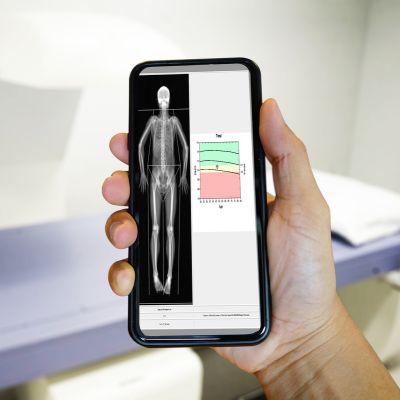
BMD (bone mineral density) tests are an important diagnostic service offered at Dr. Ankur Agrawal’s Sports Injury Center in Bareilly, used to measure bone strength and assess the risk of conditions like osteoporosis and fractures. This simple, non-invasive test helps determine how dense and strong your bones are, especially in the spine, hips, and wrists—areas most prone to fractures.
The BMD test, also known as a DEXA (dual-energy X-ray absorptiometry) scan, uses low-dose X-rays to compare your bone density with that of a healthy young adult. It is a quick procedure, usually taking less than 15 minutes, and involves no pain or discomfort. Dr. Agrawal recommends BMD testing for postmenopausal women, elderly patients, individuals with a history of fractures, or those on long-term steroid use.
The results of the BMD test help detect bone loss early so that timely preventive or corrective treatment can begin. Based on the findings, Dr. Agrawal may suggest dietary changes, supplements like calcium and vitamin D, weight-bearing exercises, or medications to improve bone density and prevent further deterioration.
✅ What is a BMD Test?
BMD stands for Bone Mineral Density. A BMD test (also known as a DEXA scan) is a specialized X-ray test that measures the strength and density of your bones. It is used to detect osteoporosis, a condition where bones become weak and are more likely to break.
✅ How Does a BMD Test Work?
The patient lies down on a scanning table.
A DEXA (Dual-Energy X-ray Absorptiometry) machine sends two low-dose X-ray beams through the bones, usually in the spine, hip, or wrist.
The scanner measures how much of the X-ray is absorbed by the bone.
The results are shown as a T-score and Z-score, which help determine bone health.
✅ When is a BMD Test Needed?
A Bone Mineral Density (BMD) test is recommended when there is a risk of bone thinning or weakness, especially in:
Women aged 65+ and men aged 70+
Postmenopausal women under 65 with risk factors
Anyone with a history of fractures after age 50
People with osteoporosis risk factors, such as:
Family history of osteoporosis
Long-term use of steroids or thyroid medication
Low body weight or poor nutrition
Smoking or heavy alcohol use
People with chronic diseases like rheumatoid arthritis or thyroid disorders
To monitor bone loss or treatment effectiveness in those already diagnosed
✅ Why is a BMD Test Important?
Early Detection of Osteoporosis:
Identifies bone loss before it leads to fractures.Prevents Serious Injuries:
Helps avoid painful fractures in hips, spine, or wrists, especially in the elderly.Guides Treatment:
Results help doctors decide if calcium, vitamin D, lifestyle changes, or medications are needed.Tracks Progress:
Monitors whether bones are improving or worsening over time.
In short, a BMD test is vital for anyone at risk of bone loss, helping to maintain bone strength, prevent fractures, and stay active and independent as you age.