
Fracture Treatment
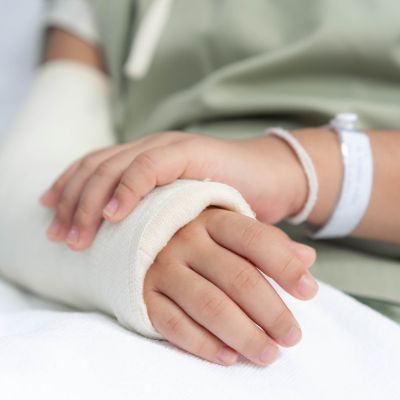
A fracture (broken bone) requires immediate medical attention for proper alignment and healing. Doctors first assess the severity through X-rays or CT scans. Simple fractures are treated with plaster casts or splints to immobilize the bone, while severe cases (such as open fractures or displaced bone fragments) may require surgery. Surgical procedures involve fixing the bone with plates, screws, or rods to ensure proper alignment. Pain and swelling are managed with medications, and physiotherapy helps restore strength and mobility.
With proper care and following medical advice, most fractures heal within 6-8 weeks, though full recovery may take 3-6 months. Ignoring treatment can lead to complications like improper healing, chronic pain, or restricted movement.
Key Points:
Immobilization (cast/splint) for minor fractures
Surgery (plates/screws) for complex breaks
Pain management & physiotherapy for recovery
Complete healing takes weeks to months
For best results, consult an orthopedic specialist immediately after a fracture. Early treatment ensures faster and safer recovery!
What is Fracture Treatment, and How Does It Work?
Fracture treatment refers to the medical care and procedures used to heal a broken or cracked bone. A fracture can occur due to trauma (like falls, accidents, or sports injuries), stress (repetitive motion), or bone weakness (osteoporosis). The main goal of treatment is to ensure that the bone heals properly and regains its normal strength and function.
How Does It Work?
Diagnosis:
The first step is identifying the type, location, and severity of the fracture using X-rays, CT scans, or MRI. This helps determine the right treatment approach.Immobilization:
Most fractures are treated by immobilizing the affected area using a cast, splint, or brace. This keeps the bone in place and allows it to heal naturally.Reduction (if needed):
If the bone is misaligned, a doctor may perform a reduction, which involves realigning the bone manually or surgically before immobilization.Surgical Fixation (for complex fractures):
In serious cases, surgery may be required. Surgeons may use plates, screws, rods, or pins to stabilize the bone.Rehabilitation:
Once the bone starts to heal, physiotherapy is used to restore mobility, strength, and function.
Proper fracture treatment ensures complete healing, prevents deformity, and allows patients to return to normal life safely and quickly.
When is Fracture Treatment Needed?
Fracture treatment is needed immediately after a bone is broken or cracked due to injury, accident, fall, or stress. You should seek medical care if you experience:
Sudden, intense pain after impact or injury
Swelling, bruising, or tenderness around a bone or joint
Inability to move the limb or bear weight
Visible deformity or an unusual bend
A cracking or popping sound at the time of injury
Even a small or hairline fracture can worsen if not treated on time.
Why is Fracture Treatment Important?
To Ensure Proper Healing:
Without proper alignment and immobilization, the bone may heal incorrectly, leading to deformity or loss of function.To Relieve Pain and Inflammation:
Treatment helps reduce swelling and manage pain effectively.To Restore Mobility and Strength:
After healing, physiotherapy and care help return the limb to full function.To Prevent Complications:
Delayed or incorrect treatment may cause long-term problems like nonunion (bone not healing), infection, or arthritis.To Avoid Surgery in Simple Cases:
Early treatment with a cast or splint can prevent the need for complex surgical intervention.
Fracture treatment is crucial for safe, fast, and complete recovery.